

Hedge Trimming
Hedge Trimming in Dundee
Ardilla Landscapes carries out hedge trimming and hedge cutting across Dundee and the surrounding area. Garden boundary hedges, leylandii, roadside hedges, shrubs, and topiary. Any height, any hedge type. We trim to the shape and size you want and take all the trimmings away when we leave.
A hedge that is cut at the wrong time of year or cut back too hard will not recover well. We assess each hedge before we start and trim it in a way that keeps it healthy, dense, and looking right for the season.
What's Included
What We Include in Every Hedge Trim
Every hedge is different. The type, the height, the shape, and how long since it was last cut all affect how the work is done. Here is what we cover.
Sides and top shaped
We cut both sides and the top to a clean, level finish. The line is straight, the corners are squared off where that is the look you want, and the result is consistent from end to end.
Leylandii and large hedges
Leylandii and large conifer hedges are common in Dundee gardens and need careful management. We cut only into green growth. Cutting into the brown wood behind it will not regrow. We keep the hedge manageable without taking it back further than it will recover from.
Garden boundary hedges
Beech, privet, laurel, escallonia, holly, and mixed boundary hedges trimmed to shape. We work to the height and width you want, and tidy any growth encroaching onto paths, fences, or neighbouring property.
Roadside and front hedges
Front garden and roadside hedges that have encroached onto the pavement or street. We cut back to a clean line and clear all trimmings from the roadside before leaving.
Topiary and formal shaping
Formal hedges, box balls, and shaped shrubs trimmed to maintain their form. We work carefully on topiary to keep the existing shape clean and consistent.
All trimmings removed
Every hedge trim includes full clearance of all cuttings, clippings, and debris. Nothing is left on site. We chip or bag and remove everything before we leave.
Recent Work
Hedge Trimming Completed in Dundee
Every job below was completed by our own team in and around Dundee.
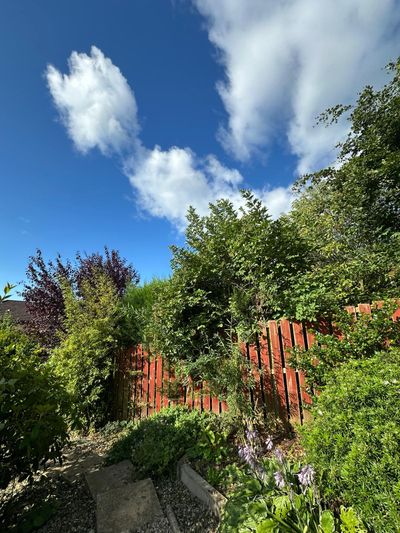
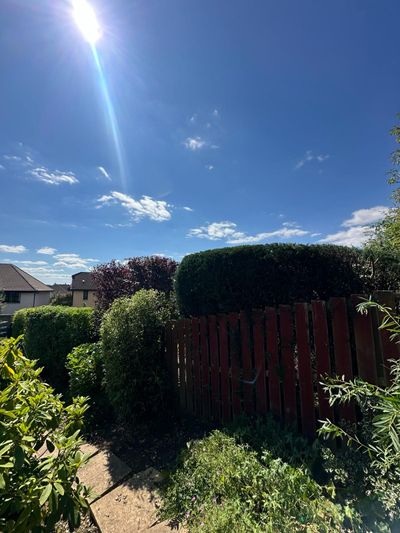
Garden hedge trimming, Dundee
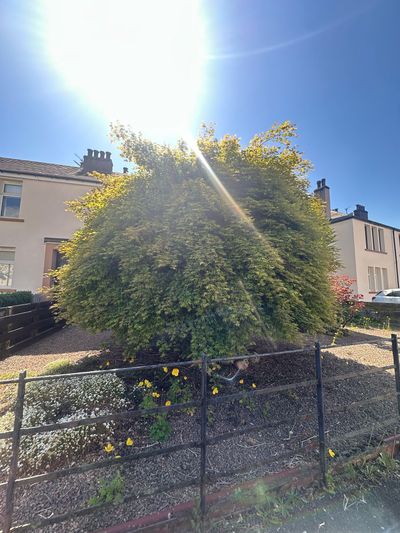
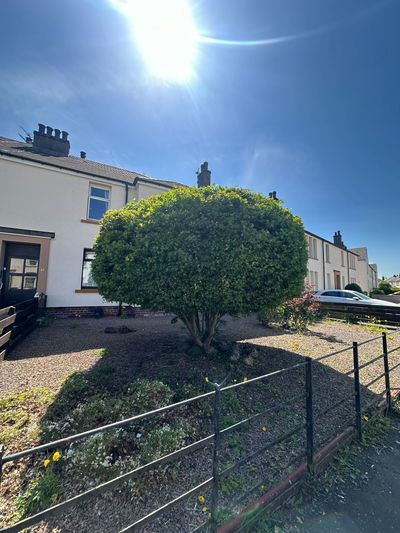
Overgrown shrub clearance and shaping, Dundee
Why Choose Ardilla
Cut at the Right Time, Not Cut Back Too Far
The most common hedge problem we see is hedges that have been cut back into dead wood with no hope of recovery, or hedges trimmed at the wrong time of year and left looking sparse through summer. Knowing how far back each species will tolerate being cut, and when to cut it, is what separates a good hedge trim from a bad one.
We are a small Fife-based team covering Dundee every day. We do not send a different crew each time. The same people who quote the job are the ones who trim your hedge. If you have questions about your hedge, we will give you a straight answer about what we think should be done.
- All hedge types including leylandii
- No height limit
- Nesting bird check before cutting March to August
- All trimmings cleared and removed from site
- Written quote before work starts
Common Hedge Types We Trim
Leylandii and conifers
Leylandii is the most common large hedge in Dundee gardens. It must only be cut into green growth. The brown wood behind the green layer will not regrow if cut into. We keep it back to a manageable size without taking it too far.
Beech and hornbeam
Beech and hornbeam hold their dead leaves through winter if cut at the right time. Most gardeners want them trimmed in late summer to keep the russet leaf effect through winter. We advise on timing when we visit.
Laurel and cherry laurel
Laurel grows quickly and can get out of hand fast. It tolerates hard cutting and will regrow from older wood, which gives more flexibility than leylandii. We use secateurs or loppers on laurel rather than a straight blade to avoid leaf scorch.
Box, privet, and formal hedges
Formal hedges and box need at least two cuts a year to keep a sharp shape. Box blight is common in Scotland. We can advise on whether your box hedge looks affected and what options are available.
Not sure when your hedge should be cut or how far back? Call us and we will give you an honest answer.
Where We Work
Hedge Trimming Across Dundee and the Surrounding Area
We carry out hedge trimming and hedge cutting across the whole of Dundee and the surrounding area. We regularly work in Broughty Ferry, the West End, Lochee, Stobswell, Downfield, and Monifieth, and also cover Perth, Carnoustie, Arbroath, and North Fife.
Not sure if we reach you? Call us on 07478 417566 and we will confirm the same day.
Areas we cover
- West End
- Broughty Ferry
- Lochee
- Stobswell
- Downfield
- Monifieth
- Carnoustie
- Perth
- North Fife
- Arbroath
- Hilltown
- Kirkton
And surrounding towns across Angus and Fife.
Common Questions
Hedge Trimming FAQs
- How often should I have my hedge trimmed?
- Most garden hedges in Dundee benefit from one trim per year, usually in late summer after the main growing season. Fast-growing hedges like privet or leylandii may need two cuts per year to stay tidy. We will give you an honest recommendation based on the type and current state of your hedge.
- Can you trim leylandii hedges?
- Yes. Leylandii is one of the most common hedge types we trim in Dundee. The key rule with leylandii is to cut only into the green growth and not into the brown wood behind it. Brown wood will not regrow. We work within the recoverable zone to keep the hedge manageable and healthy.
- Do you trim hedges at any height?
- Yes. We work at height where needed, including roadside hedges and tall boundary hedges. We bring the right equipment for the job and do not decline a job because the hedge is tall.
- Do you check for nesting birds before cutting?
- Yes. Between March and August, all nesting birds and their active nests are protected by law in the UK. Before cutting any hedge in this period, we check for signs of active nesting. If we find an active nest, we do not cut that section until the nest is clear. We will always let you know if this affects the work.
- Do you take the trimmings away?
- Yes. All clippings and cuttings are removed from your property as part of every hedge trim. You do not need to bag them or arrange a collection. We chip or bag and remove everything before we leave.
- My hedge is very overgrown. Can you bring it back under control?
- Often yes, depending on the species. Many hedges can tolerate being cut back hard and will recover well. Leylandii is the main exception, as it will not regrow from brown wood. We assess the hedge when we visit and tell you honestly what is possible and what result you can expect.
Other Tree Services
Hedge Trimming in Dundee: Get a Free Quote
Call us on 07478 417566 or fill in the contact form and we will arrange a free site visit the next day.